Garage Door Repair
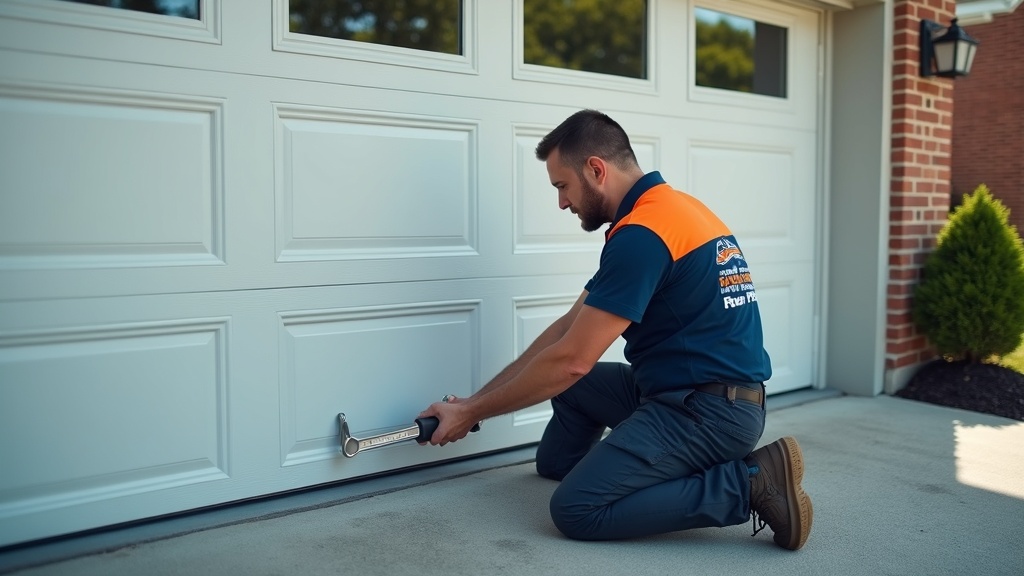
A practical guide to a garage door fix in Montreal
A garage door usually gets ignored until it refuses to move. Then it becomes the only thing anyone in the house can think about. In Montreal, that drama has a seasonal flavor: a door frozen to the slab in January, a cranky opener after a humid July storm, or a track knocked out of line after a hectic moving day in a tight alley.
Most people don’t need a lecture on how garage systems work. They need to know what’s normal, what’s dangerous, and what can wait until morning. A good garage door fix is less about mystery than timing: catching small problems before they turn into a bent panel, a stranded car, or a snapped spring that sounds like a gunshot.
What usually goes wrong
Start with the obvious suspects. Rollers wear down. Hinges loosen. Tracks collect grit, road salt, and the kind of grime that seems unique to a city winter.
Weatherstripping stiffens, cracks, and starts letting in meltwater and drafts.
Then there are the failures that stop everything at once. A torsion spring can break after years of lifting a heavy door, often right after the house has been busy for days. It’s a classic post-move problem: dozens of cycles, extra strain, and suddenly the door lifts three inches and quits.
Openers have their own personality. Sometimes the motor is fine and the issue is a dead remote battery, a blocked safety sensor, or a lock button accidentally pressed on the wall console. Other times, the opener is telling the truth: it’s straining because the door itself has become too heavy to move properly.
Cold weather adds another layer. On a -20°C morning, the bottom seal can freeze to the ground. People hit the opener again and again, which is understandable but rough on the system. That repeated effort can chew up gears, tug on cables, and turn a simple thawing issue into a repair bill.
The problems you can safely check yourself
Before assuming the worst, do a slow visual pass. Stand inside with the door closed and look for crooked tracks, loose brackets, frayed cables, or rollers sitting awkwardly. If something looks badly bent or under tension, stop there.
Next, check the small stuff. Wipe the photo-eye sensors near the floor. Make sure nothing is stored in front of them. Replace the battery in the remote, especially if the key fob died in the parkade and now the opener seems “unreliable” only from the driver’s seat.
A manual balance test can also tell you plenty. Pull the emergency release only when the door is fully closed, then try lifting it by hand. It should move with some weight, yes, but not feel like you’re deadlifting a snowblower. If it slams shut or feels impossibly heavy, the spring system may be failing.
- Clean debris from the tracks; don’t grease them heavily.
- Tighten a visibly loose hinge screw if it’s accessible and not under tension.
- Check the wall console lock function.
- Inspect the bottom seal if the door seems frozen to the slab.
That list is about inspection and minor housekeeping, not heroics. Springs and cables are a different category entirely. They store enough force to injure someone badly, and every seasoned technician in town has seen the aftermath of a confident DIY attempt.
Signs it’s time to call a technician
If the door is crooked, jerky, or hanging lower on one side, that’s not a “see how it goes” situation. Uneven movement usually points to cable, spring, or track trouble. Keep using it and you risk warping sections or knocking the door out completely.
Listen, too. A scraping sound can mean worn rollers or metal rubbing where it shouldn’t. A loud bang from the garage, followed by a door that won’t lift, often means a spring has snapped. Homeowners describe it as startling because it is startling, especially late at night when the whole house is quiet.
Occasionally the issue is impact damage. In Montreal’s narrower driveways and laneways, it doesn’t take much: a bike rack clipped on the way out, a hatch raised a little too soon, a backing mistake during a snowbank season. One dented panel may be cosmetic; a shifted track or twisted frame is another matter.
Reliable repair shops tend to begin with diagnosis, not instant replacement. That’s the right instinct. A competent local crew, whether it’s a small independent operator or a company like metro garage door, should be able to explain whether the problem is isolated to hardware, the opener, or the door sections themselves.
Repair or replace?
Not every bad day in the garage means you need a whole new system. If the door is structurally sound and the issue is limited to rollers, hinges, sensors, seals, or springs, repair usually makes sense. The same goes for many opener problems, especially if the motor unit is otherwise in decent shape.
Replacement enters the conversation when the panels are badly cracked, the frame is compromised, or repeated repairs are chasing the same old weaknesses. Older doors can also become an insulation problem. In a city with long winters, a detached garage may tolerate that better than an attached one beside a mudroom or basement stairwell.
There’s also a quality-of-life angle people underestimate. A newer door can run more quietly, seal better against slush and wind, and feel less temperamental during freeze-thaw swings. That matters if someone in the house leaves before dawn or comes home late enough to hear every rattle.
What Montreal weather does to garage doors
Freeze-thaw cycles are hard on moving parts. Moisture gets in, temperatures plunge, then everything tightens up. By afternoon, slush and grit get dragged back into the threshold again. It’s not glamorous, but that steady abuse explains a lot of premature wear.
Road salt is another villain. It rides in on tires, boots, and runoff, then settles where metal hardware already has enough to deal with. Tracks, brackets, and bottom fixtures can corrode faster than homeowners expect, especially in garages that trap dampness.
Summer isn’t exactly gentle either. Heat can swell wood trim, humidity can affect seals, and sudden storms can expose an opener that was already on borrowed time. Some of the busiest repair stretches happen not only in deep winter but during those weird shoulder-season weeks when nothing stays dry for long.
How to keep a small issue small
A little observation goes a long way. Watch how the door moves once a month, not just whether it opens. Smooth travel, even spacing, and ordinary sound are what you want. Hesitation, shuddering, or a new clank are early clues.
Lubrication helps, but selectively. Use a product suited to garage door hardware on rollers, hinges, and springs if recommended by the manufacturer. The tracks themselves usually need cleaning more than greasing; too much lubricant there turns dust and grit into paste.
Pay attention after unusual strain. A door that has worked overtime during a renovation, a move, or a brutal cold snap deserves a second look. This is often the moment a simple garage door fix can prevent a bigger outage a week later.
If you do bring someone in, clear access to the door and describe the symptoms in real terms: “stops halfway,” “shakes on the left side,” “only fails in the morning,” “remote works outside but not in the garage.” Those details are more useful than saying it’s “acting weird,” though to be fair, that’s often exactly how it feels. Around town, shops such as metro garage door hear these descriptions all the time.
Garage doors are heavy, repetitive machines doing an unglamorous job in rough weather. Most failures start small, then get expensive after a few ignored warning signs or one determined push of the opener button too many. Check the safe basics, leave high-tension parts alone, and treat odd noises or uneven movement as information, not background annoyance. In Montreal, that habit alone can save a lot of trouble before the next cold snap arrives.