Garage Door Install
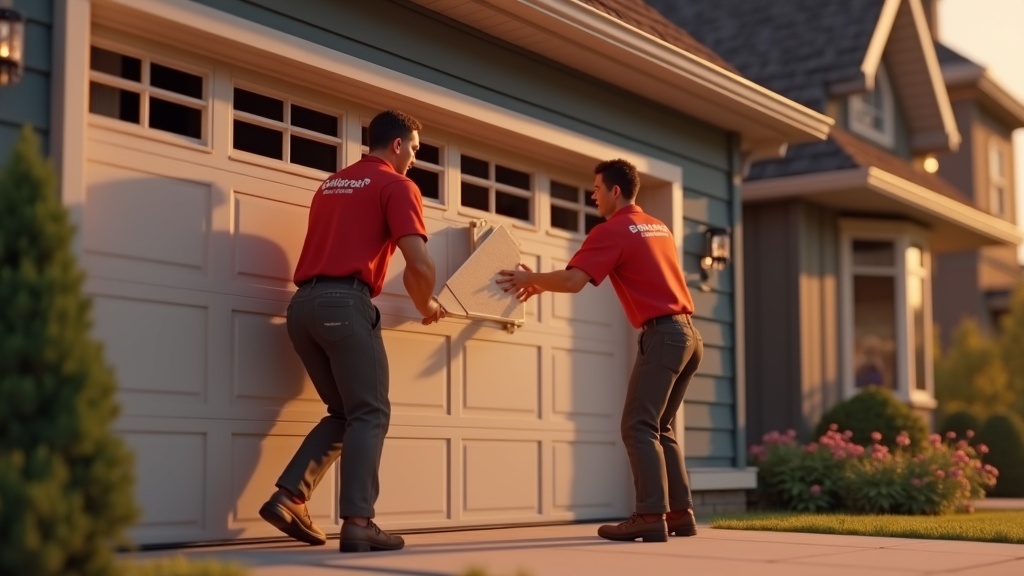
garage door install
A garage door installation is not just about removing the old door and screwing in the new one. You have to check the opening, the condition of the structure, the type of spring, the ceiling clearance, the weather sealing, and the opener if you have one. In Montreal, with freezing temperatures, humidity, and garages that are sometimes older than the door itself, a properly done installation prevents doors that rub, jam, or let cold air in from the very first winter. At Portes de garage Montreal, we often see installations that need to be redone after a few months because the prep work was rushed. As a local Garage door repair and installation service in Montreal, Canada, we know that a good installation gets you back up and running quickly, often in half a day, without leaving you with an unusable garage for days.
If your current door is warped, noisy, poorly insulated, or simply at the end of its life, the easiest thing is to have the whole setup evaluated before ordering. For homeowners looking for a local starting point, our team works throughout the Montreal area with fast service and appointments that do not drag out over a full week.
What we check before ordering the door
The width and height of the opening are not enough. We also measure the header, the space on both sides, the depth of the garage, and the ceiling clearance. That is where we determine whether standard tracks will work or if a more specific setup is needed.
In many residential garages, especially in duplexes, triplexes, and older homes, the opening is not perfectly square. A difference of a few millimeters may seem minor, but it changes the alignment of the panels and how the bottom seal touches the floor. If the floor slopes down in the center or the concrete is worn, we account for that from the start.
We also look at the condition of the wood or steel framing. A new door installed on a weakened structure will shift, bind, and wear out the rollers faster. If the frame has taken on water or moved over time, it has to be corrected before or during the installation.
The choice of model then depends on three things: use, insulation, and weight. A non-insulated door may be suitable for a detached garage. For a garage attached to the house, an insulated door is usually the more logical choice. It reduces heat loss, blocks noise better, and provides a more rigid structure.
How an on-site installation goes
On installation day, we start by securing the opening. If the old door is still in place, we remove it panel by panel. The springs and cables are handled carefully; these are the parts with the highest risk if handled improperly.
Next, we install the sections of the new door, the hinges, the vertical tracks, then the horizontal ones. Everything has to be leveled and tightened to the proper torque. A slightly crooked track is enough to create jerky movement and a noise that comes back every time the door goes up.
Then comes the counterbalance system. Depending on the configuration, we use torsion springs or another setup suited to the available space. The tension adjustment is not done by eye. We balance the door so it goes up and down without forcing, even before the opener is connected.
If you are keeping an existing motor, we check its compatibility. An opener that is too old, poorly adjusted, or undersized can interfere with a new installation. If the motor hesitates, pulls to one side, or reverses for no reason, it is sometimes better to fix that right away rather than wait for a breakdown. When a system jams or comes off track, our team also provides garage door repair with fast service, often the same day. That is one reason homeowners choose metro garage door when they want one company that can handle both installation and follow-up repairs.
Is your door broken, stuck open, or impossible to secure? Call Portes de garage Montreal for a quick visit. We can assess whether a new door needs to be installed or the existing one can be restored without wasting your time.
A simple residential installation often takes between 3 and 6 hours. For a heavier door, a structural change, or the addition of a motor, it may take a bit longer. The goal is not to rush just to finish; the goal is to leave you with a stable, quiet, and properly sealed system the same day.
The choices that really matter in our climate
Here, the cold and freeze-thaw cycles quickly expose the weaknesses of a poorly chosen door. A single-layer steel panel has its place, but it transfers more cold and tends to resonate more. An insulated panel door, with a polyurethane or polystyrene core depending on the model, holds its shape better and improves comfort in an attached garage.
The perimeter weather stripping also deserves your attention. The bottom seal makes up for small irregularities in the floor, but it cannot work miracles if the door was poorly leveled. The side and top seals must be fitted to the frame without crushing the door or leaving any visible gap.
For the hardware, I recommend prioritizing good-quality rollers and tracks suited to the actual weight of the door. The lifespan often comes down to these details. A door installed with lightweight components to save money in the short term ends up vibrating, going out of alignment, or needing service calls sooner than expected.
The motor, meanwhile, must match the size and weight of the door. A double-width insulated door does not have the same needs as a small single door. Features like battery backup, an exterior keypad, or mobile connectivity are useful, but they come after the basics: good mechanical balance.
If you are comparing options and want to see all the services offered by Portes de garage Montreal, you can check out metro garage door before booking an appointment. As a Garage door repair and installation service, metro garage door helps homeowners in Montreal, Canada with both complete replacements and urgent issues affecting daily use.
The mistakes we see after a rushed installation
The most common one: a door ordered too tight, then “adjusted” on site. The result is that the seal does not make proper contact everywhere, air gets in, and the door works harder than it should. Another common mistake is the wrong angle on the horizontal tracks. The door seems to work at first, then it becomes heavier, noisier, and eventually wears out the rollers or hinges.
We also see poorly sized springs. A door may still go up, especially with a motor, but the motor is compensating by forcing it. That shortens its lifespan and creates breakdowns that could have been avoided from the installation stage.
Ignored framing is a classic. A new door gets installed on tired, slightly warped wood, and then people wonder why it rubs on one side. The problem is not always the door; often, it is the opening that was never brought back into proper alignment.
Finally, there is the lack of final verification. A serious installation includes cycle testing, sensor adjustment, motor travel adjustment, and full closure at the floor. If the door stays open by a few centimeters, even occasionally, that is not a minor detail. In the middle of winter, that is enough to let in cold air, blowing snow, or water.
In neighborhoods where garages vary more in age and configuration, like NDG, we regularly come across this kind of redo: a nice new door, an average installation, and a service call a few months later.
After installation: what really extends service life
A new door is not a system you forget about for ten years. Even a good installation needs a minimum of follow-up. I recommend a visual check every few months: condition of the rollers, cables staying properly in place, unusual noise, bottom seal starting to tear.
Cleaning the tracks is simple: remove dirt and buildup without greasing everything the wrong way. The hinges, springs, and certain moving parts can receive a suitable lubricant, but not the entire tracks. Too much grease attracts dust and eventually interferes with smooth operation.
You also have to monitor the balance. Disconnect the opener and lift the door by hand to mid-travel. If it drops sharply or rises on its own, it is no longer properly balanced. At that point, do not try to retension the springs yourself. A quick service call costs less than a burned-out motor or a cable that comes out of its groove.
To avoid breakdowns in bad weather, periodic maintenance is often worth it, especially on a door used several times a day. That is even more true for properties where the garage serves as the main entrance.
Need a quick installation or a replacement because the current door no longer closes properly? Call us, book an appointment, or submit a request. Portes de garage Montreal can often come the same day to secure the opening and get you back up and running quickly.
Do you need to replace the opener at the same time as the door?
Not always. If the motor is in good condition, properly sized, and compatible with the weight of the new door, it can often be kept. If it is already straining, making abnormal noise, or missing current safety features, replacing it at the same time avoids a second appointment.
Can an installation be done in winter?
Yes. We install doors year-round. In winter, we organize the work to keep the opening exposed for as little time as possible. The important point is mainly the condition of the frame, the floor, and the seals once the installation is complete.
How long can a new garage door last?
Lifespan varies depending on the quality of the components, the number of daily cycles, and maintenance. A well-done installation with good balance and properly matched parts lasts noticeably longer than a door installed quickly with undersized springs or rollers.
When should you choose replacement instead of repair?
If the panels are warped, the structure is weakened, the parts are worn in several places, or the insulation no longer meets your needs, replacement often makes more sense