Garage Door Replacement Montreal
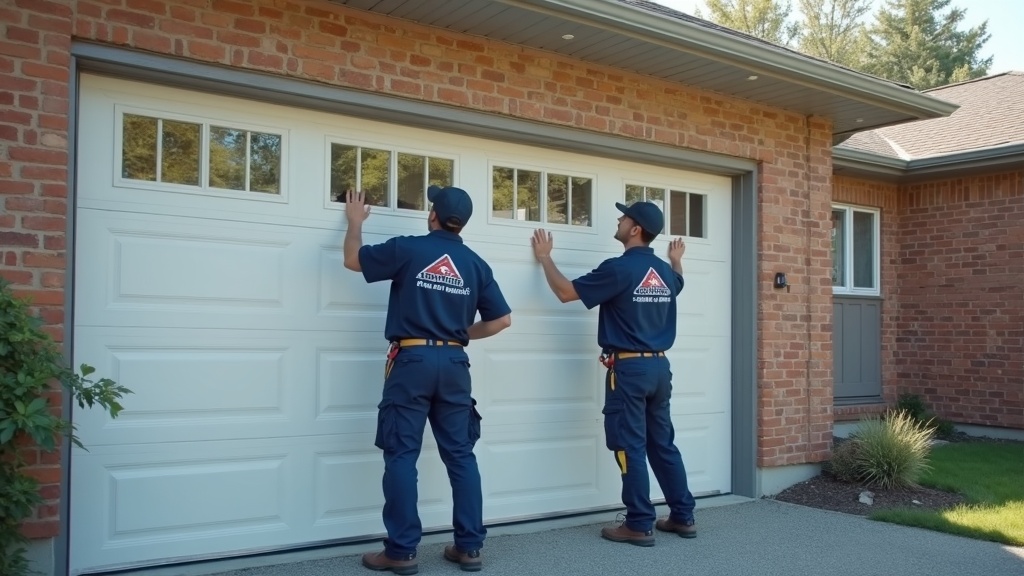
Thinking Through a Garage Door Replacement in Montreal
A garage door is one of those parts of a home you stop noticing until it starts arguing with you. It shudders on cold mornings, hesitates halfway up, or makes the kind of metallic groan that sends everyone in the driveway looking up. When the trouble becomes routine, replacement starts to make more sense than another round of patchwork repairs.
That decision carries a little more weight in Montreal, where winter is hard on moving parts, moisture tests every seal, and older housing stock often comes with quirky openings, sloped floors, or tired framing. A new door is partly about appearance, yes, but it is also about daily reliability, insulation, and the simple relief of knowing the thing will open when you need to leave for work.
When repair stops being the smart option
Not every noisy or stubborn door needs to be replaced. In many cases, a technician can solve the problem with new rollers, adjusted tracks, fresh weatherstripping, or a spring replacement. But there is a point where the math and the hassle no longer favor repair.
If the panels are cracked, warped, or rusting through, you are not just dealing with a mechanical issue. You are dealing with a door that has lost structural integrity and curb appeal at the same time. The same goes for repeated opener strain, chronic balance problems, or a door that has clearly been hit and never quite recovered.
Age matters too. An older unit may still function, but often with outdated safety features, poor insulation, and hardware that is becoming harder to match. When service calls start stacking up every season, replacing the whole system can be the calmer, more economical move.
What homeowners tend to underestimate
The biggest surprise for many people is that the door itself is only part of the job. The tracks, springs, hinges, cables, seals, and opener all work as one system. Installing a beautiful new door on worn hardware is a little like putting new tires on a car with a failing suspension: it may look better, but it will not behave the way it should.
Measurements are another place where real experience shows. Openings in older garages are not always perfectly square, and a few small inconsistencies can affect how the door seals against wind and snow. Good installers account for headroom, side room, and the condition of the framing before they talk style.
Then there is weight. Different door materials place different demands on springs and openers. If you are changing from a lighter builder-grade door to a heavier insulated model, the lifting system may need to be recalibrated or upgraded altogether.
Choosing a door that suits Montreal weather
Climate should narrow your options quickly. In a city where freeze-thaw cycles are part of life, insulation is not a luxury feature. It helps stabilize temperatures in attached garages, protects rooms beside or above the garage from drafts, and can make the door feel less tinny and loud in operation.
Steel remains a popular choice because it is durable and relatively low-maintenance, especially when paired with good insulation and quality weather seals. Aluminum can work well in some designs, particularly modern homes, but it may be more prone to dents. Wood has undeniable charm, though it asks more of the owner in upkeep and is not always the easiest match for a hard-working family garage.
Window inserts can be a smart addition if the garage feels dark, but they should be chosen with privacy and heat loss in mind. Frosted or high-set windows often strike the right balance. The best-looking door is the one that still feels sensible in February.
Style matters more than you think
A replacement changes the face of a house faster than almost any exterior project. On a brick duplex, a clean raised-panel design may feel appropriate and quiet. On a renovated detached home, a flush contemporary door in a darker finish can sharpen the whole facade. Carriage-house details can warm up a suburban property, but only if they fit the architecture rather than fighting it.
Color deserves a little restraint. A garage door occupies a lot of visual space, so a tone that complements the trim, masonry, or front door usually ages better than a dramatic contrast chosen in a rush. Hardware should feel intentional, not decorative for decoration’s sake.
The installation process, without the mystery
A proper replacement usually begins with an on-site assessment. That visit should cover opening dimensions, condition of framing, ceiling clearance, electrical setup for the opener, and any signs of water intrusion or rot near the jambs. This is where practical recommendations should come in, not just a catalog pushed across the table.
On installation day, the old door and hardware are removed first. The new tracks, springs, panels, and seals are installed and balanced as a system, then tested repeatedly for smooth travel and safe reversal. If a new opener is part of the job, setup should include force settings, remotes, and wall controls.
Good crews leave you with more than a functioning door. They explain maintenance, show you what normal sounds and motion look like, and make sure you know how to use the manual release in an outage. That kind of handoff matters.
Questions worth asking before you book
- Is the quote for the full system, or just the door panels?
- Will the existing opener work properly with the new door weight and size?
- What insulation and sealing options make sense for this specific garage?
- Are there framing or clearance issues that could affect the installation?
- Who handles disposal of the old door and hardware?
Those questions help separate a careful contractor from someone pricing the job too quickly. Clear answers now tend to mean fewer surprises later.
How to spot a service company that actually knows the work
Garage doors look straightforward until you watch a skilled installer solve a tricky opening. Experience shows up in small things: noticing a sagging header, explaining why a door is binding, or recommending a seal upgrade because snow tends to drift under that side of the slab. A good company does not oversell every feature; it helps you choose what the house genuinely needs.
That is especially relevant when you are searching for garage door replacement Montreal homeowners can trust, because local conditions are not abstract. Salt, slush, ice, and daily use all shape what holds up over time. Teams that work in the city regularly tend to be more realistic about material choices and setup.
Among local names, metro garage door is one example people may come across when comparing installers and repair companies. The useful test is not the logo on the truck but whether the assessment feels precise, the scope is clearly explained, and the installer treats the project as a system rather than a single product swap.
After installation: keep it simple
A new door does not ask for much, but a little attention goes a long way. Keep the tracks free of debris, watch for changes in sound, and inspect the bottom seal after the worst of winter. If the door starts moving unevenly or the opener seems strained, do not wait months to have it checked.
One important note: springs and cables are not a casual DIY project. They are under serious tension, and replacement should be left to trained technicians. Homeowners can handle basic observation and cleaning; the dangerous adjustments belong to professionals.
The best garage door replacement is the one that disappears back into daily life. It opens smoothly before sunrise, seals properly when the weather turns, and improves the look of the house without demanding constant attention. In a place with real winters and varied housing, thoughtful choices pay off. If you approach the project with equal parts practicality and design sense, you will likely get a result that feels right every single day.