Garage Door Repair Near Me
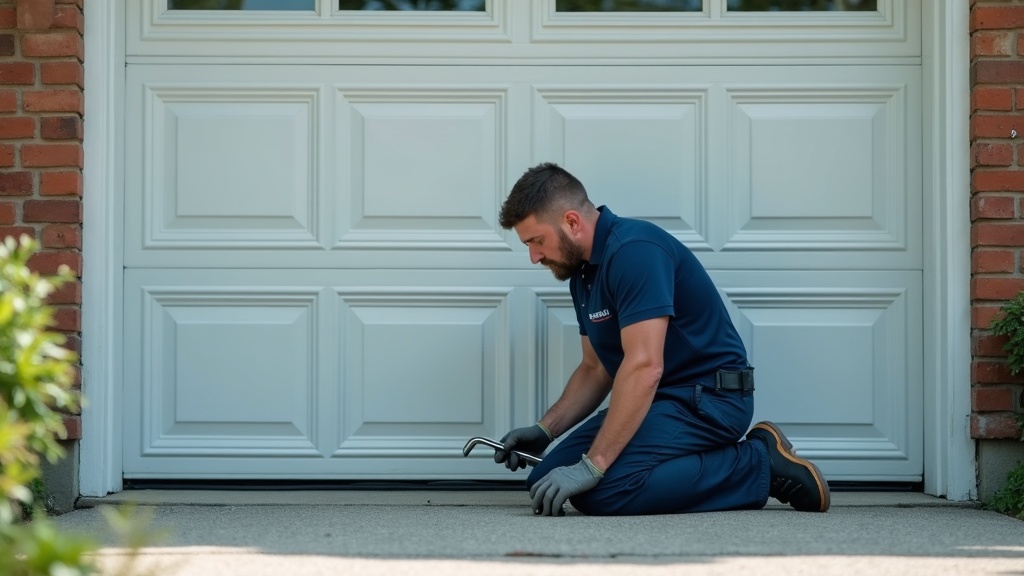
What to Look for When You Search “Garage Door Repair Near Me” in Montreal
A garage door usually waits until the worst possible moment to remind you it matters. It stalls halfway open before work. It groans loud enough to wake the house. Or it simply refuses to move on a February morning when the car is trapped inside and the street is still buried in snow.
That’s why the search for garage door repair near me tends to happen in a hurry. In Montreal, though, speed should never be the only filter. A rushed choice can leave you with a temporary fix, the wrong replacement parts, or a door that works for a week and then slips right back into trouble.
Start with the problem you can actually see
Not every garage door issue is dramatic, and not every one needs the same response. A door that jerks on the way up may point to worn rollers or a track that’s slightly out of alignment. A door that feels unusually heavy, or won’t stay open, can signal a spring problem. If the opener hums but nothing moves, the issue might be mechanical rather than electrical.
You don’t need to diagnose it like a technician. But it helps to notice the basics before you call: Is the door crooked? Is one side hanging lower than the other? Did you hear a sharp bang from the garage recently?
Those details save time and often tell a good repair team where to start.
One important note: springs and cables are not casual DIY territory. They’re under serious tension, and when they fail, they fail hard. There are household fixes worth attempting; this generally isn’t one of them.
Montreal weather changes the equation
Garage doors in this city don’t live an easy life. Freeze-thaw cycles, road salt, slush, humidity, and long cold snaps all work against moving parts. Metal contracts. Rubber seals stiffen.
Moisture finds small weaknesses and turns them into bigger ones by the next season.
That’s part of why a trustworthy local company matters. A technician who works in Montreal every week understands what winter does to bottom seals, how ice can affect sensor alignment, and why an opener that seemed fine in October starts struggling by January. Repairs here aren’t just about replacing a broken piece; they’re about knowing the conditions the door has to survive afterward.
What a good repair visit should feel like
The best service calls are rarely theatrical. A solid technician arrives, asks what happened, watches the door operate if it’s safe to do so, and inspects the full system rather than chasing the loudest symptom. That means checking the springs, cables, rollers, hinges, track, opener, and safety sensors together.
You want someone who explains the issue in plain language. Not a hard sell. Not a cloud of jargon. Just a clear sense of what failed, what can be repaired, what should be replaced, and whether anything else is close behind.
Good repair work also respects the difference between an urgent fix and a full upgrade. If one hinge is bent, you shouldn’t be pushed into buying a new door. On the other hand, if an aging door has multiple failing components, poor insulation, and a strained opener, a technician should say so honestly instead of patching it piece by piece forever.
When repair makes sense, and when replacement is smarter
Many problems are fixable without replacing the entire door. Damaged rollers, frayed cables, broken springs, worn weatherstripping, and misaligned sensors are common service calls. Even opener issues are often isolated to a motor gear, remote programming problem, or logic board fault.
Replacement enters the picture when the door itself is compromised. Panels can warp, crack, or dent badly enough to affect movement. Older doors may lack insulation that makes a real difference in attached garages. And sometimes repeated repairs become the expensive route simply because the whole system is aging unevenly.
In practical terms, the question isn’t “Can this be fixed?” It’s “Is this still worth fixing?” A reputable company should help you answer that without making the decision feel dramatic.
Small signs that point to bigger trouble
Garage doors rarely go from perfect to broken overnight. Usually there’s a lead-up: louder operation, slower movement, extra vibration, hesitation near the floor, remotes that work inconsistently, or visible wear on the cables. People ignore these signs because the door still opens. Then one cold morning it doesn’t.
If the door starts sounding different, that matters. A scraping noise can mean track trouble. Squealing often points to rollers or hardware that need attention. A sudden heavy slam is more concerning, especially if a spring has failed.
These are the moments when early service pays off. A modest repair made at the right time is usually easier than dealing with a full breakdown when the car is already late for school drop-off or a delivery is arriving in an hour.
A few questions worth asking before you book
- Do they repair the full system, not just openers?
- Will they explain whether repair or replacement makes more sense?
- Are they familiar with insulated doors and winter-related wear?
- Can they identify the parts being replaced and why?
You’re not interrogating anyone. You’re simply trying to separate experienced service from generic dispatch. The answer should sound confident and straightforward, not evasive.
Installation matters as much as the product
If your search starts as a repair and ends in replacement, the installation matters every bit as much as the door you choose. A good-looking door that’s poorly balanced or badly fitted will become a repair story soon enough. In older Montreal garages, where openings may not be perfectly square, this is especially important.
Proper installation affects daily noise, weather sealing, energy performance, and the lifespan of the opener. It also affects safety. Sensors need correct placement. Spring tension needs to be set accurately.
Tracks need to be true. None of that is visible from the curb, but all of it determines how the door behaves six months later.
That’s one reason homeowners often prefer companies that handle both repair and installation. A team like metro garage door sees the full life cycle of the system, from emergency fixes to complete replacements, and that broader view tends to lead to better recommendations.
The value of clear, local service
There’s a difference between a company that simply appears in search results and one that actually works the neighbourhoods it serves. Local experience shows up in small ways: realistic arrival windows, familiarity with common housing stock, and a practical sense of what parts fail most often in the climate.
It also shows up in communication. When you call about a stuck door, you want calm guidance—whether to stop using it, whether the opener should be disconnected, whether the issue sounds urgent. That kind of clarity is often what people remember most after the repair itself.
For homeowners comparing options, metro garage door is the sort of name people notice because garage door service is one of those trades where consistency counts more than flash. You want the door to open smoothly, close properly, and stay that way.
Choose for the next winter, not just today
The best outcome isn’t simply getting the door moving again by dinner. It’s ending up with a system that feels reliable when the next cold front rolls in. That means parts that match the door, adjustments that are done properly, and advice that takes your actual garage into account.
So if you’re searching in a rush, pause for one extra minute. A careful repair or a well-planned replacement will matter long after the emergency feeling fades. In a city where weather exposes every weak point, good service is the kind that solves the problem you have now and helps prevent the one waiting around the corner.